Slip2026·11·02
Keeping a commonplace book by hand


Open a commonplace book kept by someone else and you learn a good deal about them without being told any of it. A line from a sermon sits above a recipe for ink. Three sentences on grief are followed by a joke. The handwriting tightens and loosens over the years. Nothing in it is an argument, and yet by the last page you feel you know how this person read.
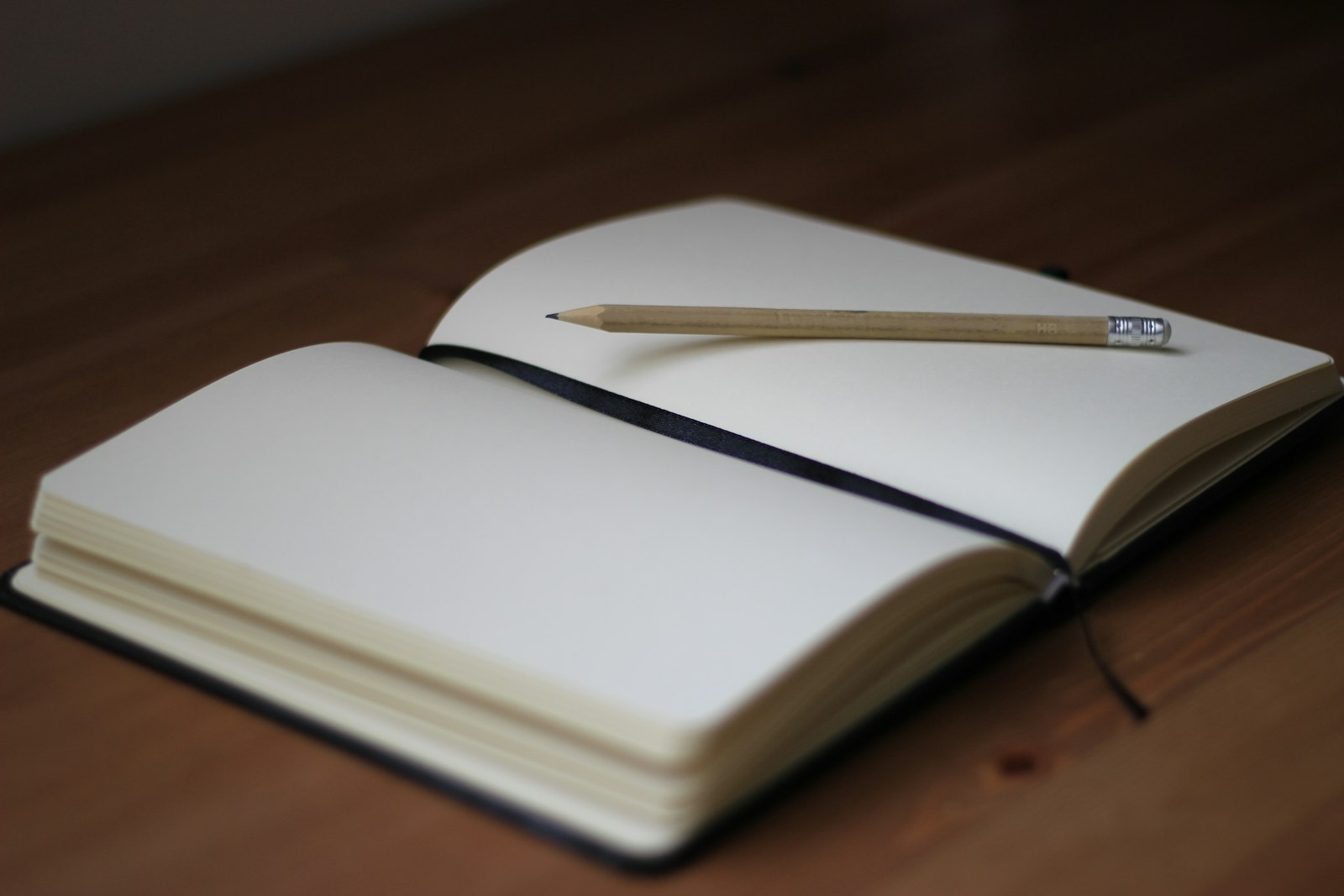
The habit is simple. You keep a notebook, and when a passage in your reading stops you, you copy it out by hand, with its source. That is very nearly all there is. It is also one of the oldest reading habits we have, and it does something for a reader that highlights and saved quotations do not. What follows is advice from the desk on keeping one, and on where it parts company with the slip-box this room is named for.
An old and unfussy practice
The name comes from the Latin locus communis, a “common place”: a general heading under which a speaker could gather material worth having to hand. Schoolboys in Renaissance Europe were taught to keep such books, and readers went on keeping them for centuries, with varying degrees of order. The Wikipedia article on commonplace books gives a fair outline of that history, including the indexing method John Locke published for his own.
The image we like best is older still. Seneca, in one of his letters, tells a friend to read as bees work, gathering from many flowers and then making something of their own from what they have gathered. A commonplace book is the gathering half of that advice. It is allowed to be only that, at least for a long while.
What the hand notices
Copying is slow, and most of its value lies in the slowness. Your eye can pass over a good sentence in a second or two and report that it was good. Your hand has to go through it word by word, and on the way it finds things the eye skipped: the comma where you expected a full stop, the plain word chosen over the grand one, the clause held back until the very end.
Try it with a sentence you already admire. Francis Bacon’s is a familiar one:
Some books are to be tasted, others to be swallowed, and some few to be chewed and digested.
Read, it is a neat remark. Written out, it has a shape you can feel in your wrist: the first two clauses move quickly, and the third slows down with “some few” and needs two verbs to finish. No one had to explain that to you. This is why writers have so often copied out the prose they wished they could write, and why the habit pairs well with the slower reading we described in Reading slowly, on purpose.
The slowness also works as a filter. Saving a passage on a screen costs nothing, so everything gets saved. When a passage will take you four minutes and a sore hand, you find yourself asking whether you truly want it. Often you do not, and that is a small piece of judgement you would otherwise never have made.
How it differs from a slip-box
We said in Keeping a slip-box: one idea to a card that a box full of other people’s sentences is really a commonplace book, and a different tool. The difference deserves a closer look, because the two are easily confused and each is weakened by trying to be the other.
- Whose words. A slip-box holds your restatement of an idea. A commonplace book holds the author’s exact wording, because the wording is what you came for.
- What it is for. Cards are written to be used, usually in something you will one day write. A commonplace book asks for no such return. You may simply want to have this sentence and to go back to it.
- How it is ordered. Cards are moved, branched and filed beside their relatives. A bound notebook runs in the order you read, so it keeps a record of time that a card drawer gives up.
- How it is searched. You consult a slip-box when you have a question. A commonplace book is better for leafing through with no question at all, when a passage you had forgotten can surprise you.
You do not have to choose. Many readers will find the two sit comfortably side by side: the notebook for what was said beautifully, the box for what you think about it.
Setting one up
Choose a notebook you are willing to spoil. A handsome one tends to stay empty for fear of the first bad entry, and something plain and sewn, which lies flat and has room for a few years of reading, will serve you better. Use a pen that does not tire your hand.
Each entry needs only three things: the passage, exact to the punctuation; the author, title and page; and the date you copied it. The date looks unnecessary now and turns out to be the part you are gladdest of later, for it tells you what you were reading alongside what, and at what time of your life.
Number the pages, and leave the last few blank for an index. You need nothing elaborate. When a theme keeps returning (patience, say, or the sea), give it a line at the back and note the pages. Plenty of good commonplace books have had no index at all, so add one when you begin to feel the lack of it.
What to copy, and how much
Copy what stopped you. That sounds too loose to be useful, but it is the only rule that keeps the book yours. A sentence you copy because it is famous or because you feel you ought to admire it will look dead on the page a year from now. A clumsy line from a minor novel that happened to describe your own street is worth more.
Length can look after itself, though most entries will run to a few lines. If you find yourself copying whole pages, ask what in them you actually want; there is usually one paragraph doing the work. Poems are the fair exception, since they often need to be copied entire.
A line of your own beneath a passage is welcome but never owed. Our advice on book notes in Writing a book note while it is still fresh was stricter, and asked for a comment under each quotation, because a book note is meant to record your response. Here you can let a passage stand on its own and trust that you will know why it is there.
Going back to it
A commonplace book repays rereading more than most things you will ever write. Keep it where you can reach it, and open it at random now and then, on a slow evening or before a long piece of work. You will find passages you no longer care for, and they are worth leaving in. They show you who was reading at the time.
Sometimes a passage you meet again will start an argument in your head. That is the moment for it to cross over: write a card in your own words, note the page of the notebook as its source, and let the thought go off and find its neighbours.
Should a passage find its way into something you publish, the same care applies as anywhere else. Quote it briefly and exactly, and say whose it is; the reading room rules ask writers to name their sources, and your source line will already be there in the notebook, which is one more reason to write it down every time.
Subject headings
Filed by
The house shelf of SlipRoom, kept by the editors who look after the room: essays and working notes on keeping a slip-box, reading slowly and seeing a draft through to the end.



Margin notesComments
The margins are still blank. Yours may be the first note here.